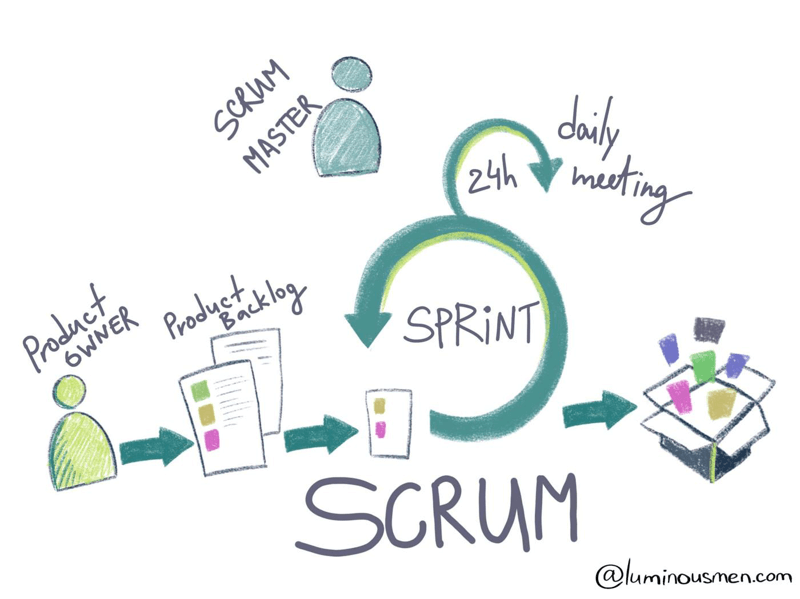
Scrum is a framework to put those agility principles into practice by allowing teams to work together. This is different from agile because this focuses on the behaviours required for scrum, like teamwork or solving short problems to achieve a longer-term goal. In short – agility is akin to the methodology to implement scrum.

Scrum is based on continuous learning and development. It acknowledges that users may not have experience at the start but are able to build on their knowledge through collaboration and learning. Scrum encourages teams to learn through experiences, self-organize and to reflect on both the failings and successes of a solution to continuously improve. This allows developers or engineers to break down problems into ‘sprints’, where they can collaboratively work on these sprints to deliver a more efficient solutions. These sprints allow teams to reach goals end more quickly. This in turn, will improve satisfaction within teams because they are able to demonstrate progress. Moreover, Scrum accepts change. This is important because requirements and solutions evolve through collaboration.
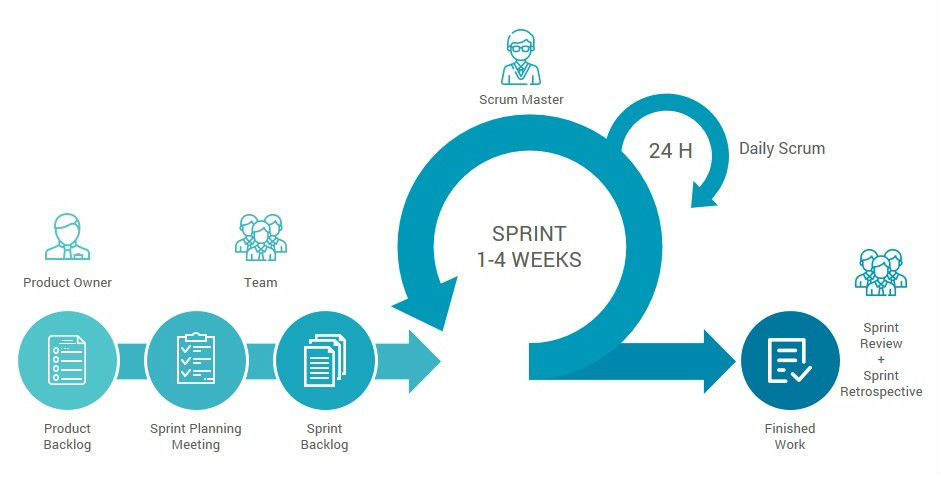
Sprint planning is carrying out a meeting to form a sprint where you decide on both the criteria and time-box of the sprint. Essentially, ‘Sprint planning kicks of a sprint by setting the agenda and the focus’. This is important because bad sprint planning can lead to unrealistic expectations and time-frames, which will prevent keeping the team motivated and focused.

A meeting for the sprint meeting. This is akin to a plan to finalise the details of the problem and examining if certain part require more information. This is done to prevent time being wasted in the splint planning. Product backlog is prioritized list of work for the development team, where the most important are shown at the top. This is provided from the team’s roadmap. Teams roadmap and requirements provide foundation for the product backlog. Roadmap initiative are broken down into several epics and each epic has several requirement and user stories. Product owner uses user stories to produce a list for the development team. The Prioritisation of backlog not done solely by the product owner, an effective one seeks input from their customers and development team to optimise workload and product delivery. Product owner is free to re-prioritise the backlog with added feedback.
A time for individual members to show of their work and focus on their achievements. Allows them to present to the team their implementation and makes them feel good about themselves. This is a consensus of progress and achievements within the team. Demonstrate feature and orientate development team to doing things that add value.
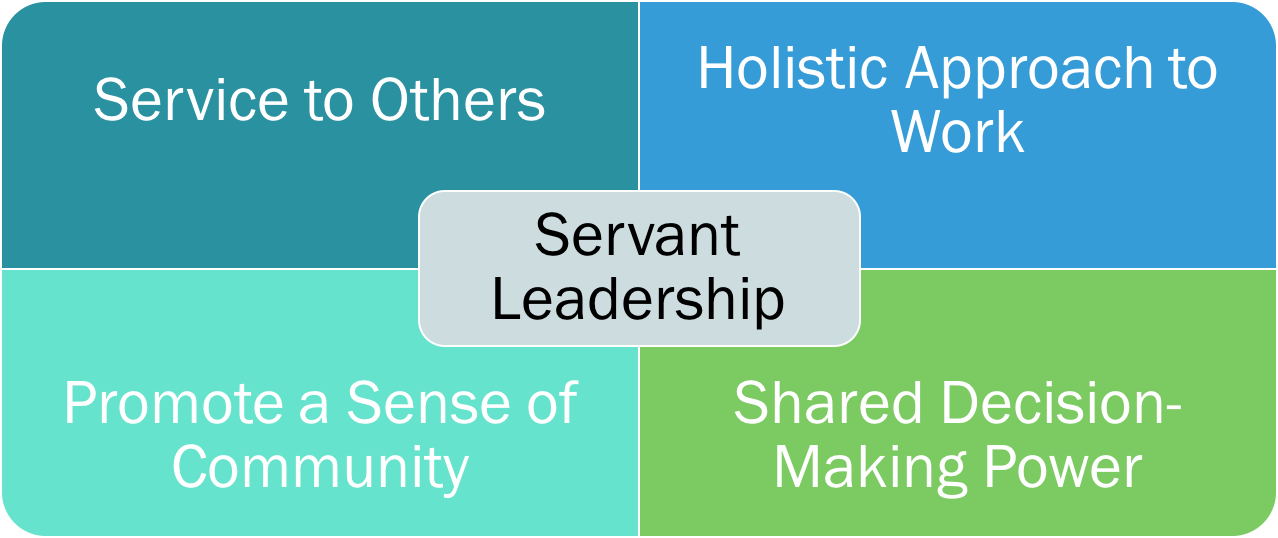
A scrum Master is essentially a non-technical project manager. Both focus on how they are going to get their work done. However, a product manager does this through time frames and reports on progress from a place of control in the traditional sense. A scrum master almost works as a team member by helping the team in collaborating and organisation. They also help in establishing communications between the product owners and developers and helps in focusing on getting task done.
This is a scaled agile technique that offers a way to connect to multiple teams that need to get a project done. The Aim is to coordinate smaller, independent teams. This is done as the larger a team is, the harder it is to communicate so doing this help to meet an aim more easily. All delivering their own goals but allows them to complement to each other. This involves two or more teams working together for a time to re-negotiate responsibility and encourages organisation
| Scrum | Kanban | |
|---|---|---|
| Ceromonies & Meetings | Sprint planning,sprint review... | Does not have predifined meetings |
| Roles & responsibilies | Product owner, Scrum master & development team | Does not have specific or prescribed roles |
| Timing | Time-boxed sprints included | Time-boxed iterations are optional. (no set time-frame) |
| Values | Based on Agile values | Based on lean values |
| Modifications | Changes during sprints are discouraged | Priorities can change daily |
| Basic Applications | Best for teams with stable prorities do not change as much over time | Best for projects with widely-varying priorities |
| Measurement Of productivity | Number of story points completed in each sprint | Cycle time of the completed project |